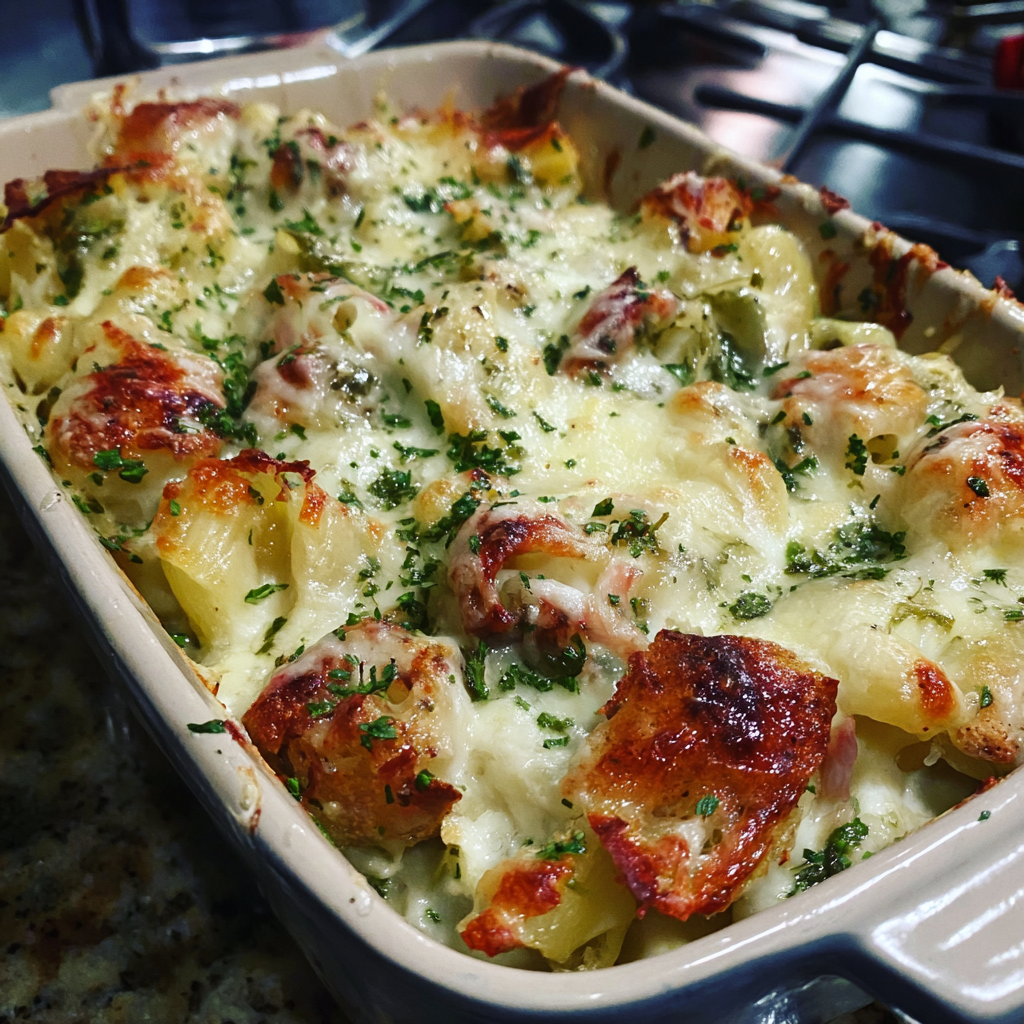
The Béchamel Secret: Velvety Macaroni Au Gratin Unveiled
Imagine a dish so deeply satisfying, so unbelievably creamy, and so exquisitely flavored that it elicits actual applause at the dinner table. This isn't just a fantasy; it's the reality of a perfectly executed
pasta al gratin macaroni and cheese. Far removed from its humble boxed counterparts, macaroni au gratin elevates the beloved comfort food into an elegant culinary experience. The true genius behind this transformation lies not merely in generous amounts of cheese, but in a foundational, velvety secret: the béchamel sauce.
This isn't your everyday mac and cheese; it's a sophisticated, golden-baked marvel, brimming with rich flavors and textures. While many assume its luxuriousness stems from an exorbitant quantity of cheese, the magic often originates from a beautifully crafted béchamel, which provides unparalleled creaminess and body, allowing a carefully selected blend of cheeses to truly shine without overwhelming the palate. Prepare to delve into the heart of this extraordinary dish and uncover the techniques that make it an unforgettable centerpiece for any meal.
The Béchamel Brilliance: Unpacking the Velvety Heart
At the core of an authentic
macaroni au gratin lies the béchamel, one of the five foundational "mother sauces" of French cuisine. This seemingly simple sauce – a blend of butter, flour, and milk – is where the "velvet" truly comes from. Unlike many American macaroni and cheese recipes that often rely on direct melting of cheese or heavy cream to achieve richness, the béchamel offers a distinct, refined creaminess that binds the ingredients with an almost silken embrace.
The process of crafting a perfect béchamel is less about speed and more about patience and technique. It begins with a roux – a cooked mixture of butter and flour – which serves as the thickening agent. The key is to cook the roux slowly, allowing the raw flour taste to dissipate without browning it excessively, unless a specific nutty flavor is desired. Then, milk is gradually whisked in, often warmed beforehand to prevent lumps, and cooked over low to medium heat. The reference highlights that this slow cooking of the milk is crucial until it turns "creamy." This isn't just about thickening; it’s about coaxing the milk to release its inherent richness, transforming it into a smooth, velvety foundation that holds your elbow noodles perfectly.
What makes this method so ingenious is its ability to create incredible richness and body using a relatively small amount of cheese. Imagine, as some variations demonstrate, achieving profound creaminess with as little as a quarter cup of cheese! The béchamel provides the backbone, allowing the nuanced flavors of a select cheese blend to take center stage, rather than drowning them in an overwhelming dairy deluge. For a truly lump-free béchamel, whisk continuously as you add the milk, and if any lumps persist, a quick strain through a fine-mesh sieve will ensure absolute perfection. A pinch of freshly grated nutmeg is a classic French addition that beautifully complements the dairy notes and adds a subtle warmth to the sauce.
Beyond the Box: Why Macaroni Au Gratin Stands Apart
Let's be clear: this
macaroni au gratin is no ordinary mac and cheese. It’s an entirely different culinary creature, one that demands respect and delivers an unparalleled dining experience. While both share the common ground of pasta in a cheesy sauce, the gratin version elevates the concept to an art form, embodying elegance and sophistication.
The distinction begins with the sauce, as discussed, but extends to the overall construction and finish. Instead of a simple mix-and-serve approach, macaroni au gratin is typically blanketed with a layer of ooey-gooey, often triple-cheese blend, and then baked or broiled to a crisp, golden-brown perfection. This "gratin" crust is more than just an aesthetic touch; it adds a crucial textural contrast – a crispy, savory counterpoint to the creamy interior. This golden exterior is what separates a mere cheesy pasta from a true gratin.
The praise for this dish is not hyperbole. As the reference points out, some versions are "so magnificently and outrageously incredible that folks are actually applauding it at the dinner table." This reaction isn't surprising when you consider the harmonious blend of a luxurious béchamel, perfectly cooked pasta, a thoughtful selection of cheeses, and that irresistible, crackling crust. It's a testament to the fact that simple ingredients, handled with care and technique, can create something truly extraordinary.
While American macaroni and cheese often celebrates bold, sharp cheddar, the French-inspired gratin typically leans towards a more nuanced symphony of cheeses. Think nutty Gruyère, earthy Comté, tangy Fontina, or even a touch of sharp Parmesan to deepen the flavor profile. These cheeses melt beautifully, contributing depth and complexity without overpowering the delicate béchamel. This elegant riff transforms
pasta al gratin macaroni and cheese from a side dish into a main course that commands attention and admiration.
Crafting Perfection: Tips for a Macaroni Au Gratin Masterpiece
Achieving that "creamy, cheesy, golden-baked perfection" requires attention to detail, but it's remarkably achievable. Here are some key tips to guide you in creating your own applause-worthy
macaroni au gratin:
*
Pasta Prowess: Al Dente is Absolutely Essential
The biggest mistake in any baked pasta dish is overcooking the pasta initially. For macaroni au gratin, cooking your elbow noodles (or other short pasta shapes like cavatappi or penne) to a firm *al dente* is non-negotiable. Remember, the pasta will continue to cook and absorb liquid in the oven. If it's soft before baking, it will turn mushy. Chef Benoît Guichard's technique of cooking pasta al dente and then rapidly cooling it with ice cubes in its cooking liquid is brilliant. This method instantly halts the cooking process, preventing the pasta from drying out and ensuring it retains its ideal texture through the baking process. If you don't use the ice bath method, simply drain your al dente pasta and lightly toss it with a tiny bit of olive oil to prevent sticking while you prepare the sauce.
*
The Cheese Chorus: A Blend for Harmony
While a béchamel provides the base, the cheese blend adds the personality. The "three cheeses" mentioned in the reference are a fantastic starting point. Consider a combination that offers different qualities:
*
Melting Power: Fontina, Monterey Jack, or even a mild cheddar.
*
Nutty Depth: Gruyère or Comté are traditional choices that lend a sophisticated, earthy note.
*
Sharpness/Umami: A touch of sharp white cheddar or finely grated Parmesan/Pecorino Romano can elevate the overall flavor profile.
Always grate your own cheese from blocks. Pre-shredded cheeses often contain anti-caking agents that can hinder smooth melting and affect the texture of your sauce.
*
Assembly and the Golden Finish
Once your béchamel is made and your pasta is al dente, combine them gently, ensuring every noodle is coated. Transfer the mixture to a greased baking dish. This is where you can add that glorious top layer. A final sprinkle of your cheese blend, perhaps mixed with some Panko breadcrumbs for extra crunch, will guarantee that irresistible golden crust. Bake until bubbly and the topping is deeply golden. For an extra crisp, crackling finish, a quick broil for the last few minutes is highly recommended – just watch it closely to prevent burning!
*
Making it Speedy: The 45-Minute Challenge
Despite its gourmet appeal, this dish can be surprisingly quick. The reference notes some versions are "on the table in 45 minutes." To achieve this, prep is key: have your cheese grated, milk warmed, and butter/flour measured out before you even start. Cooking the pasta while making the béchamel simultaneously is a great time-saver. Consider exploring recipes designed for efficiency, such as those found at
Easy 45-Minute Macaroni Au Gratin: Get Dinner Table Applause, to streamline your process without sacrificing quality.
*
Serving Suggestions: More Than Just a Main Course
While undoubtedly a superb main course, especially when accompanied by a fresh green salad with a bright vinaigrette, macaroni au gratin also shines as an accompaniment. Its rich, savory profile makes it an ideal pairing for roasted meats like chicken or pork, or alongside a simple pan-seared steak. Its versatility means it can fit into various meal plans, from a comforting family dinner to an elegant dinner party offering.
Elevating Your Dish: Variations and Personal Touches
While the classic
pasta al gratin macaroni and cheese is a masterpiece in itself, its structure lends itself beautifully to creative variations and personal touches. The elegance of the béchamel base means you can introduce additional flavors without overpowering the dish.
Consider infusing your béchamel with aromatics. A bay leaf, a whole clove-studded onion, or a few sprigs of thyme simmered in the milk (and then removed) before making the sauce can add subtle layers of flavor. A generous pinch of white pepper or a hint of cayenne pepper can provide a gentle warmth. For an extra textural dimension, consider stirring in some finely chopped, sautéed mushrooms, caramelized onions, or even crispy bacon bits into the pasta mixture before baking. Some recipes also call for a layer of fresh herbs, like parsley or chives, sprinkled on top before the final cheese layer.
Don't be afraid to experiment with your cheese choices either. While the classic "three cheeses" are a safe bet, explore different regional cheeses. Perhaps a smoked gouda for a deeper, smokier flavor, or a vibrant extra-sharp cheddar if you prefer a bolder profile. Just ensure they are good melting cheeses.
For those looking to make it even more decadent, a thin layer of truffle oil drizzled over the top before serving can elevate the dish to a whole new level of gourmet indulgence. A sprinkle of high-quality breadcrumbs, such as Panko, tossed with a bit of melted butter and herbs, can create an even crunchier gratin topping. This foundational recipe offers a canvas for endless possibilities, allowing you to tailor it to your specific tastes and dietary preferences. For more creative ideas and methods to enhance your gratin experience, you might find inspiration in articles like
Elevate Your Mac: Creamy, Cheesy Macaroni Au Gratin Perfection.
In the world of comfort food, macaroni au gratin truly stands out. It’s a dish that respects its ingredients, celebrates technique, and rewards the diner with an experience far beyond the ordinary.
Conclusion
The journey into the world of
macaroni au gratin reveals a dish that is far more than just cheesy pasta. It’s a testament to the power of classic culinary techniques, particularly the velvety smooth béchamel sauce, which acts as the unsung hero, creating a richness and body that allows a carefully chosen blend of cheeses to sing. This elegant riff on traditional macaroni and cheese, with its perfectly al dente pasta, luxurious sauce, and irresistible golden-baked crust, truly deserves the applause it receives. Whether you’re seeking a comforting weeknight meal or an impressive dish for entertaining, mastering the secrets of this exceptional
pasta al gratin macaroni and cheese will undoubtedly elevate your home cooking and delight everyone at your table. It’s time to embrace the béchamel, choose your cheeses wisely, and prepare to unveil your own golden-baked masterpiece.